
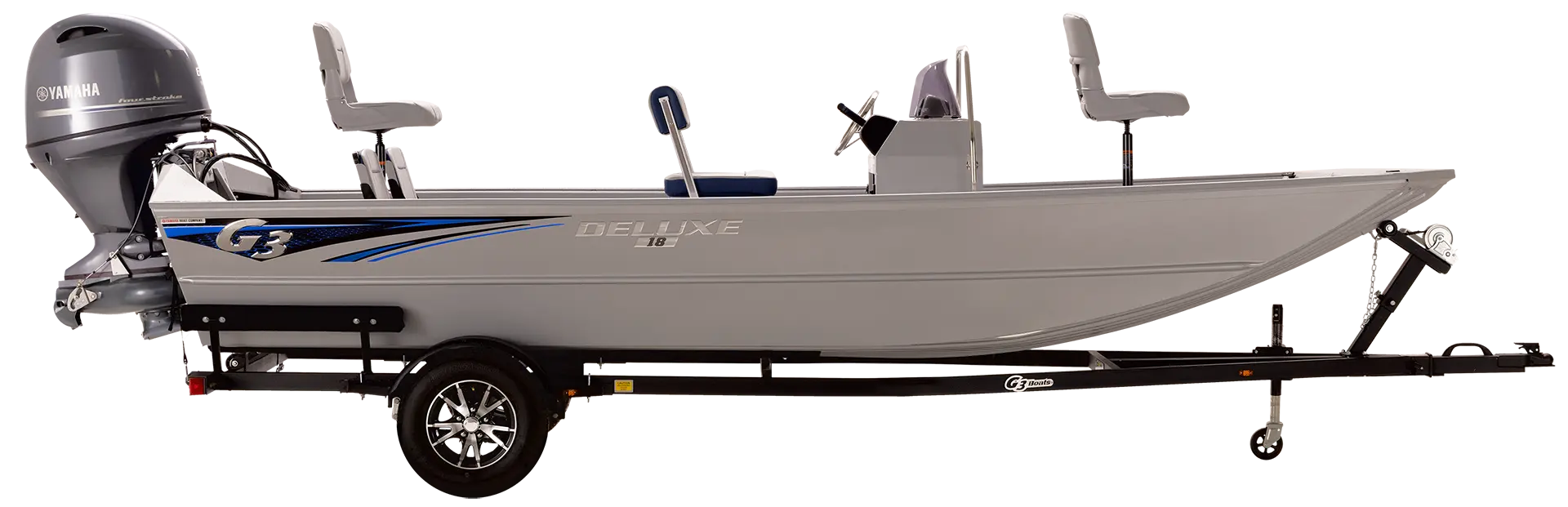
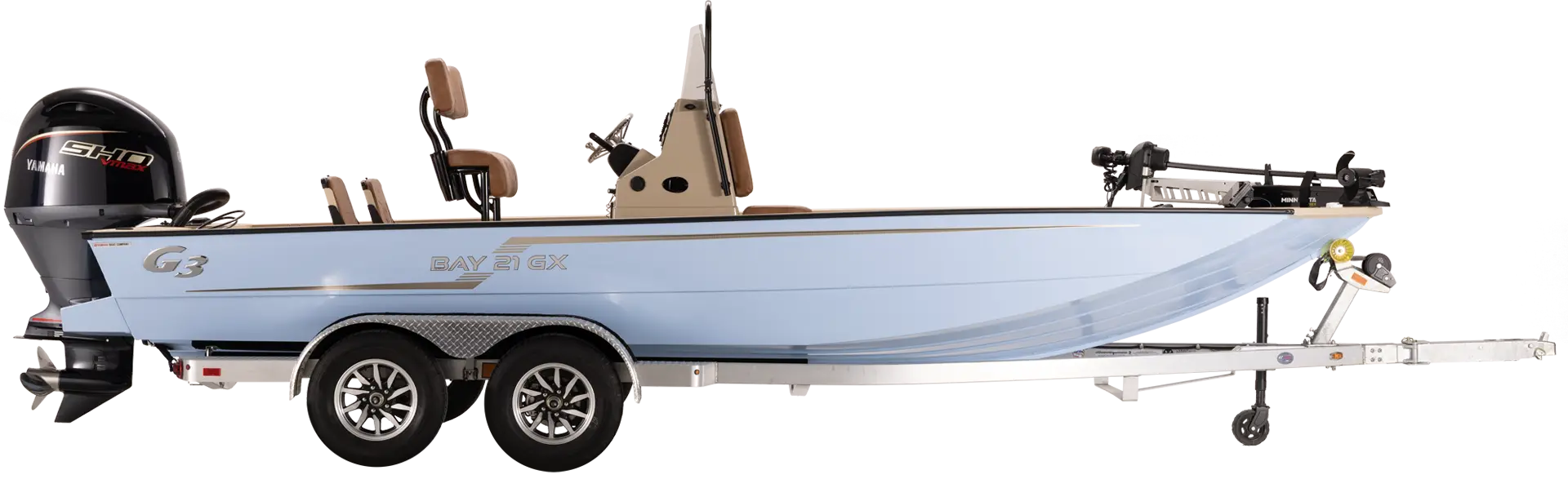
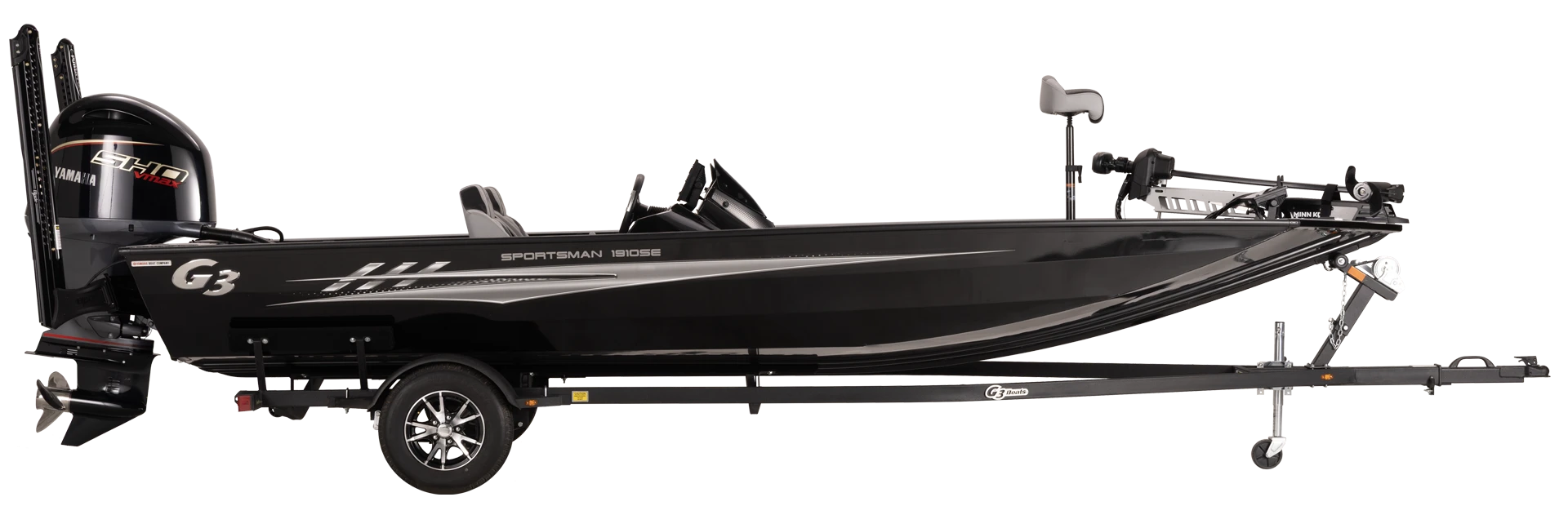
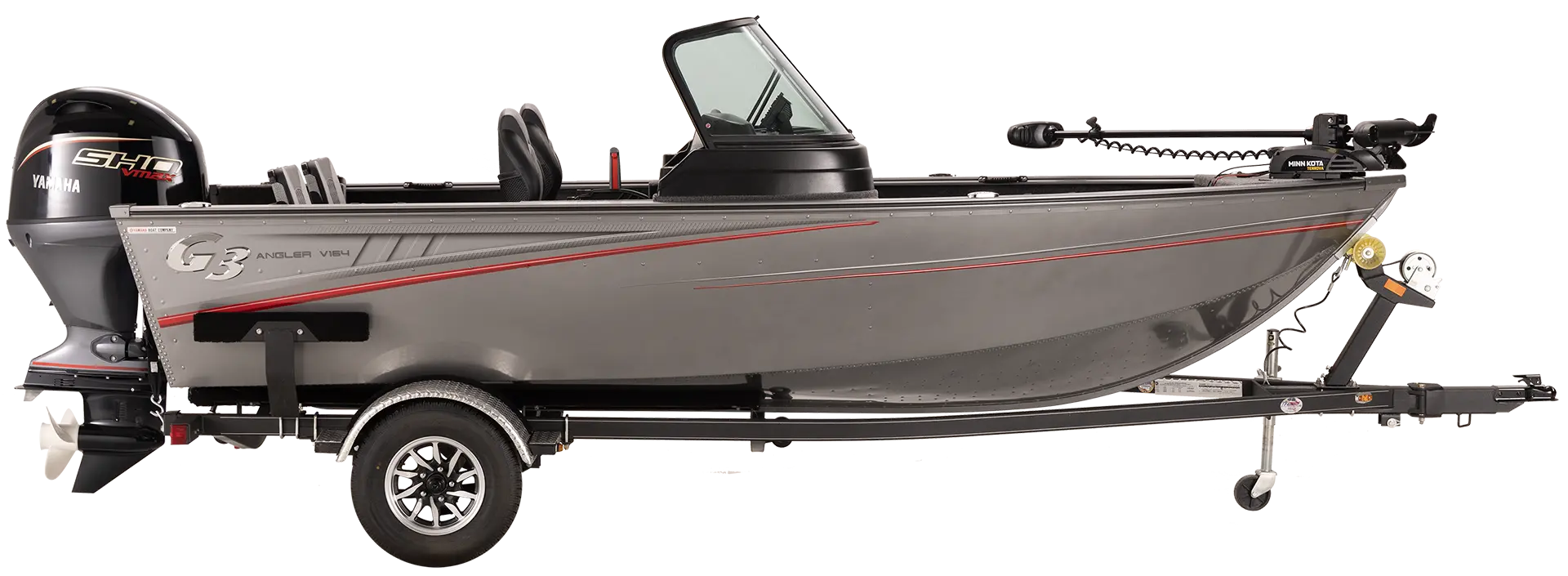
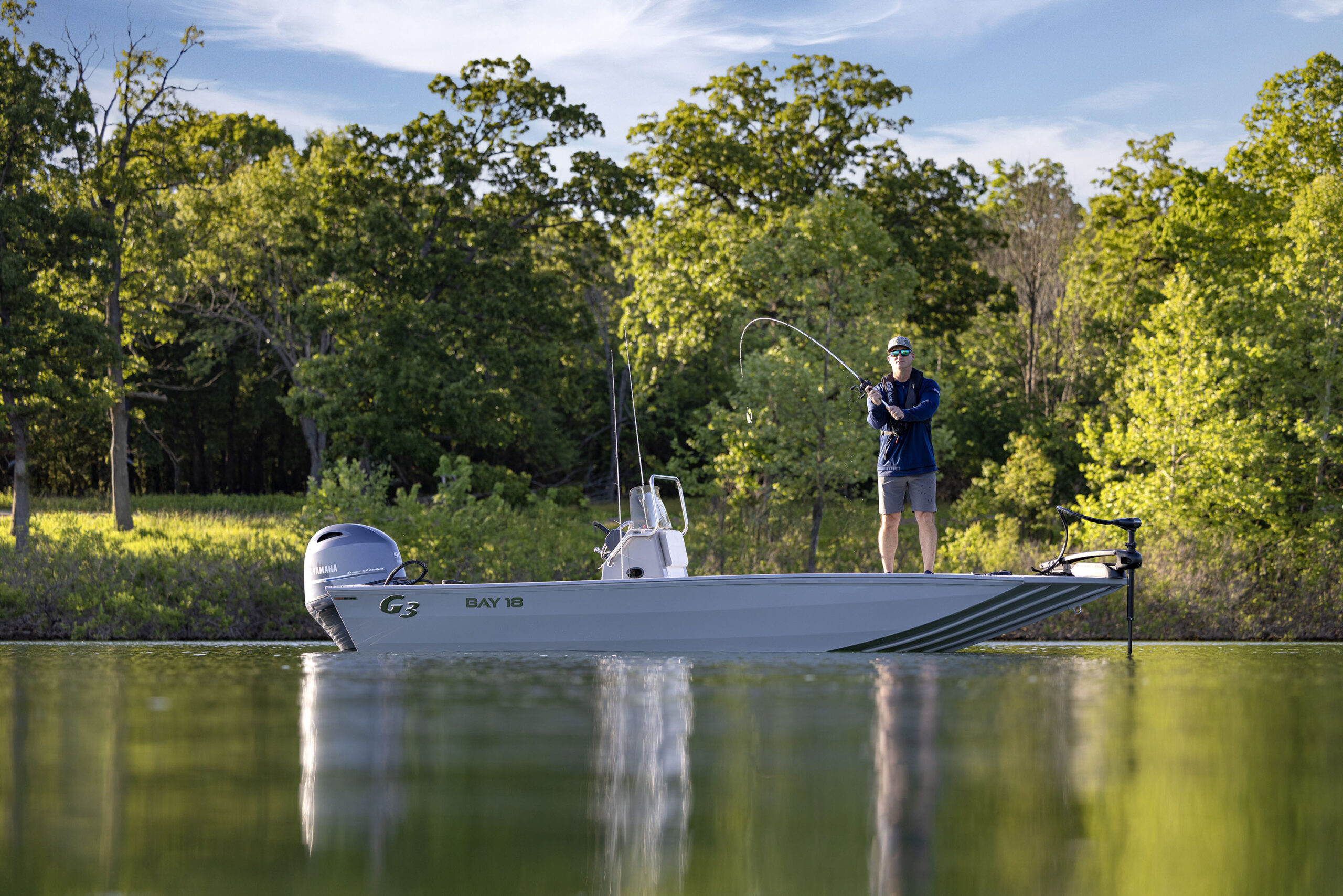
For anglers who target redfish on skinny tidal flats, largemouth bass in shallow timber, or crappie in tight creek beds, getting into shallow water is where the best fishing happens. However, fishing backwaters and marshes places unique demands on a boat. Navigating shallow water requires a vessel that floats high, maneuvers easily, and handles the inevitable contact with submerged logs, rocks, or mud flats without compromising structural integrity.
Aluminum boats, particularly all-welded models like the G3 Gator Tough Jon Series and Bay Series, have long been the gold standard for shallow-water access. Here is a look at how aluminum construction, light weight, and durable hull design work together to give anglers complete confidence in skinny water.
1. Lightweight Hull Means a Shallower Draft
A boat’s draft, the depth of water required to float the hull freely, is directly tied to its overall weight. Heavy vessels push deeper into the water column, limiting how far into backwaters you can navigate.
+———————————————————————————–+
| Weight & Draft Advantage |
+———————————————————————————–+
| Construction Trait : Aluminum’s high strength-to-weight ratio |
| Direct Benefit : Minimizes hull displacement and static draft |
| Real-World Result : Floats higher in skinny water, flats, and shallow creeks |
+———————————————————————————–+
Because aluminum possesses a remarkably high strength-to-weight ratio, an all-aluminum hull weighs significantly less than an equivalent fiberglass model. This lightweight footprint offers distinct advantages for shallow-water anglers:
- Minimal Static Draft: An aluminum hull sits higher on top of the water column, allowing you to float over shallow flats, oyster beds, and mud bars that would ground out a heavier boat.
- Easier Poling and Trolling: When stealth is critical, a lighter boat requires less effort to push with a push pole or maneuver with an electric trolling motor.
- Hole-Shot Efficiency: Combined with dependable Yamaha outboard power, a lighter hull achieves plane quickly in shallow conditions, requiring less water depth to get up and run.
2. All-Welded Durability Built for Structural Impact
Shallow water is unpredictable. Submerged stumps, floating debris, gravel bars, and hidden rocks are constant hazards when navigating backwaters and marshes.
- Impact Resistance: Aluminum is inherently ductile, meaning it can absorb structural impacts without cracking or shattering like fiberglass. When an aluminum boat grazes a submerged log or scrapes over a gravel bar, the hull flexes and bounces off without structural failure.
- All-Welded Construction Confidence: Premium aluminum boats feature heavy-gauge, all-welded seam construction rather than rivets. This creates a single, rigid hull unit designed to endure season after season of hard use in harsh environments.
- No Gelcoat to Chip: Scrapes and scratches are unavoidable in skinny water. Aluminum hulls eliminate worries about spider-web cracking or costly gelcoat repairs, allowing you to focus on fishing rather than pampering your boat.
3. Purpose-Built Hull Designs for Skinny Water
Material choice is only part of the equation; hull shape dictates how well a boat performs in shallow conditions. Aluminum boats offer specialized hull profiles engineered for specific shallow-water environments:
+————————+———————————–+———————————–+
| Hull Profile | Ideal Waterway | Key Performance Benefit |
+————————+———————————–+———————————–+
| Flat-Bottom Jon | Skinny rivers, marshes, timber | Maximum surface area, ultra-draft |
| Shallow Modified-V | Bays, tidal flats, larger rivers | Cuts light chop, retains stealth |
| Tunnel Hull / Jet Drive| Extremely shallow river bends | Lifts motor lower unit above draft|
+————————+———————————–+———————————–+
Flat-Bottom Hulls
Flat-bottom aluminum boats distribute weight across a wide, flat surface area. This maximizes buoyancy and minimizes draft, making them the ultimate choice for shallow river bends, timber-filled reservoirs, and marshlands.
Shallow Modified-V Hulls
A modified-V hull, featured on models like the G3 Gator Tough and Bay Series, combines a sharp bow entry to cut through light chop with a flatter transom for shallow draft. This design allows coastal and bay anglers to cross choppy open water with a smooth ride, then slip straight into skinny tidal creeks.
4. Practical Layouts for Unobstructed Fishability
Shallow-water fishing often requires quick reactions, sight-casting, and 360-degree mobility. Aluminum fishing models prioritize practical layouts that maximize usable space:
- Wide, Stable Casting Platforms: Elevated bow casting decks give anglers a clear sightline to spot schooling fish, wake-riding redfish, or shallow structure.
- Center Console Walk-Around Access: On center console models, anglers gain unobstructed 360-degree perimeter mobility to chase hard-fighting fish around the boat without hitting obstacles.
- Smart Storage Integration: Lockable rod lockers, integrated livewells, and organized tackle storage keep gear secure and off the deck, keeping your workspace clear when working tight shorelines.
The Verdict: Built for Where Other Boats Can’t Go
When your target species hides in backwaters, tidal creeks, and timber-heavy marshes, an aluminum boat gives you the ultimate competitive edge. With its lightweight draft, all-welded impact resistance, and purpose-built hull designs, an aluminum boat is built to handle real use, giving you the confidence to explore skinny water season after season.