By Mike Frisch and the Fishing the Midwest Team
I remember many years ago when the drop-shot fishing technique took the fishing world by storm, particularly among bass anglers. While we don’t hear quite as much about this technique now, it remains a very popular and productive technique. Not only does this finesse method puts lots of bass in the boat – both largemouth and smallmouth – when the bite is good, but it can also be one of the only ones that consistently produces when the bite gets finicky. Plus, walleyes, northern pike, and even big panfish will eat this rig too.
Rigging a drop-shot set-up starts by tying a hook inline and leaving a “tag” trailing beyond that hook to which a weight is tied. Some form of bait, often a small plastic, is threaded on the hook, the weight is dropped to bottom, and the bait suspended above. Finesse movements imparted by the angler to the fishing rod– maybe twitches or shakes – can then be added to give the bait action in hopes of triggering bites.
Small “finesse” plastic baits are often presented to bass, particularly those in a foul mood unwilling to respond to other larger offerings. This tactic is favored by largemouth fishermen who break out drop-shot rigs when no other baits seem to produce. Meanwhile, smallmouth anglers often have drop-shot rigs tied up as part of their regular fishing arsenal.
When I fished bass tournaments “back in the day” I usually had a drop-shot ready when pursuing largemouth, just in case a finicky bite was encountered. Now most of my drop-shot fishing involves smallmouth bass, particularly when these fish are found in deeper water. Here I often “see” fish on sonar and drop the rig down, fishing vertically or with short casts to the fish.
Regardless of whether brown or green bass are the target there are some important keys. First, this method usually involves the use of light, low visibility line like 8-pound test CONTRA fluorocarbon line.
I tie my hook with a simple Palomar knot, leaving about a foot to 18-inches of tag below the hook. A variety of drop-shot hooks are available; I use those in sizes #1 and #2 mostly. Tour Grade Tungsten Drop Shot weights are my preference since tungsten enhances feel and these weights are also smaller in size than their lead counterparts, meaning less drag and less intrusiveness around finicky fish. Sinker weight used depends on water depths fished and wind conditions.
A variety of small, finesse style plastics will produce bass when using drop-shot rigs. My favorite, however, has long been a small nose-hooked 3X Z-Too soft jerkbait that has an action most bass, largemouth and smallmouth, can’t seem to resist. Plus, it’s very durable so several bass can often be caught on one bait. In addition to the Z-Too, last year, I successfully added a new bait style, a “fuzzy dice” looking bait called a Tumbleweed to my drop-shot arsenal. This somewhat unconventional bait provides an erratic, yet lifelike action that did a great job of triggering bites and I am anxious to use it more this season.
The right bait is important, but so is the right rod and reel set-up. Medium light power, extra fast action rods around 7’ long make great drop-shot rods. I used the new Lew’s KVD Elite model specifically designed for this technique and paired it with a KVD Elite spinning reel last season with very good results.
If good fishing results are your goal, consider the drop-shot. Using a drop-shot rig and some of the tips just provided can, in fact, lead to more fish-fights in your boat this summer. As always, enjoy your time on the water and remember to include a youngster in your next outdoors adventure!
Mike Frisch hosts the popular Fishing the Midwest TV series. Visit www.fishingthemidwest.com to see all things Fishing the Midwest.
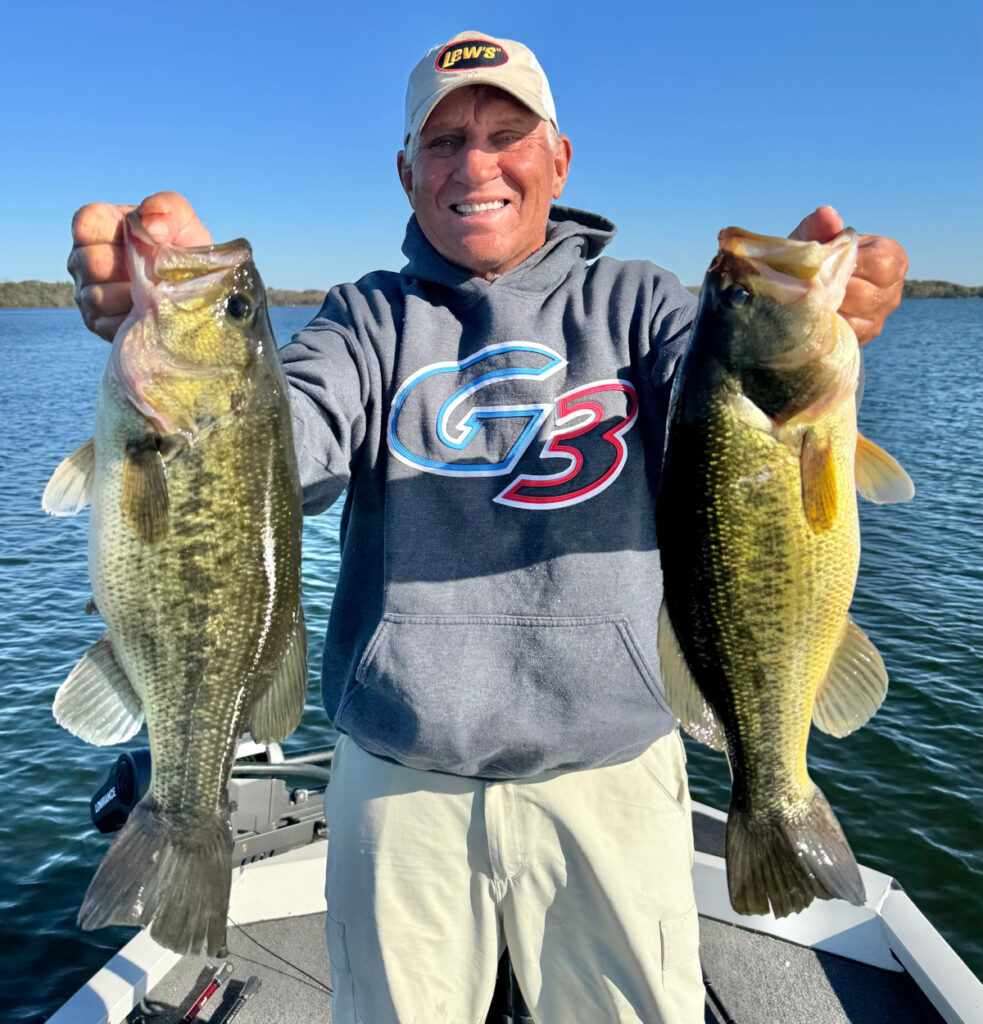
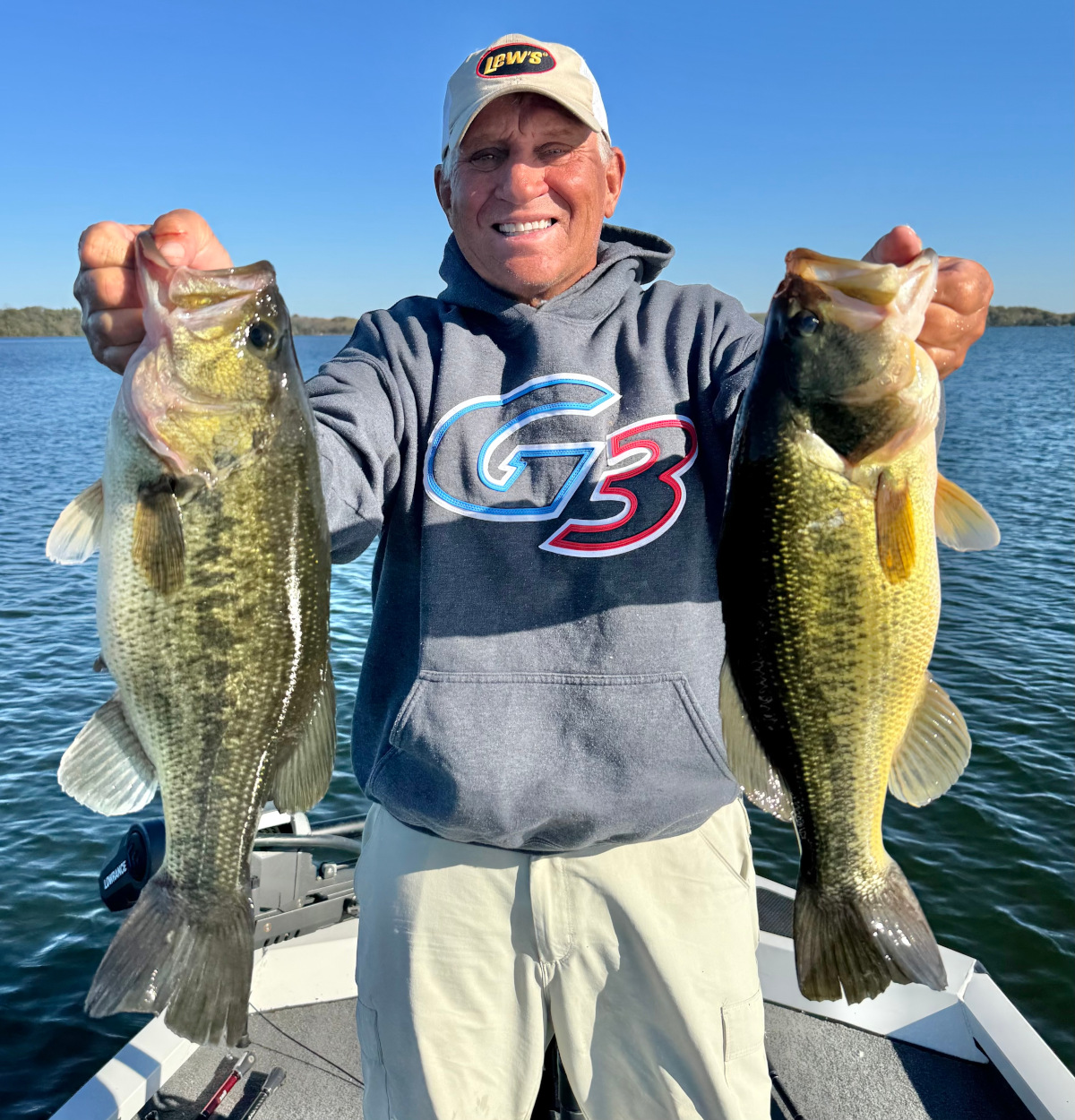
PHOTO 1– Big largemouth bass will often readily eat drop-shot rigs!