
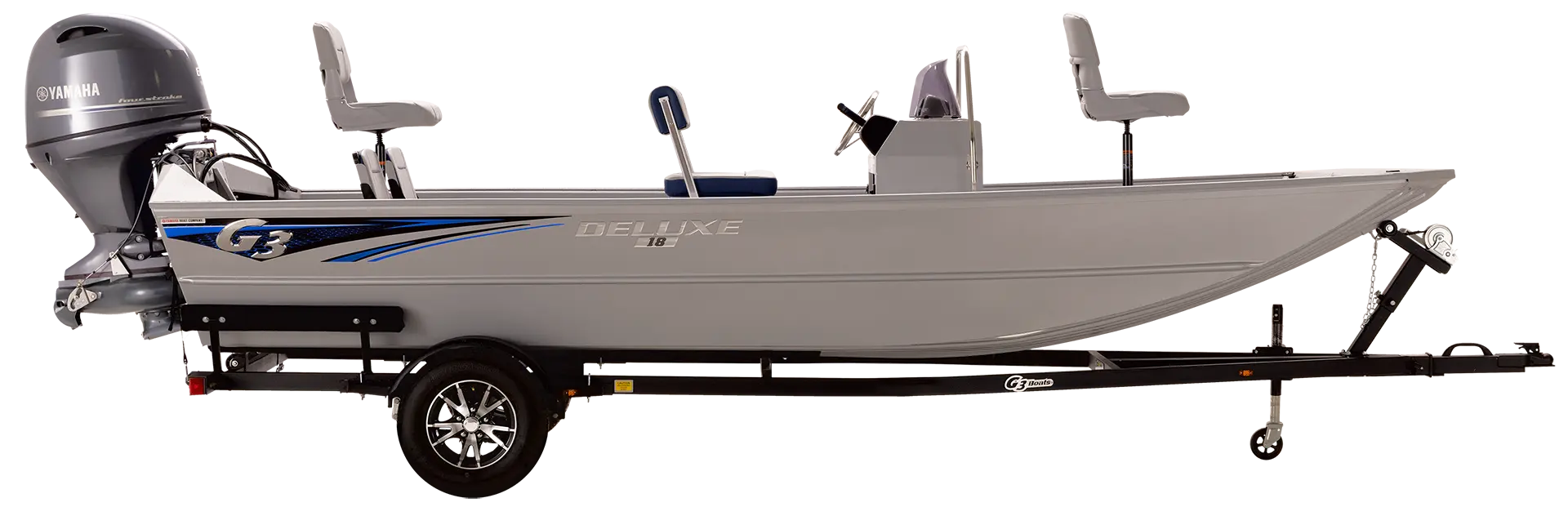
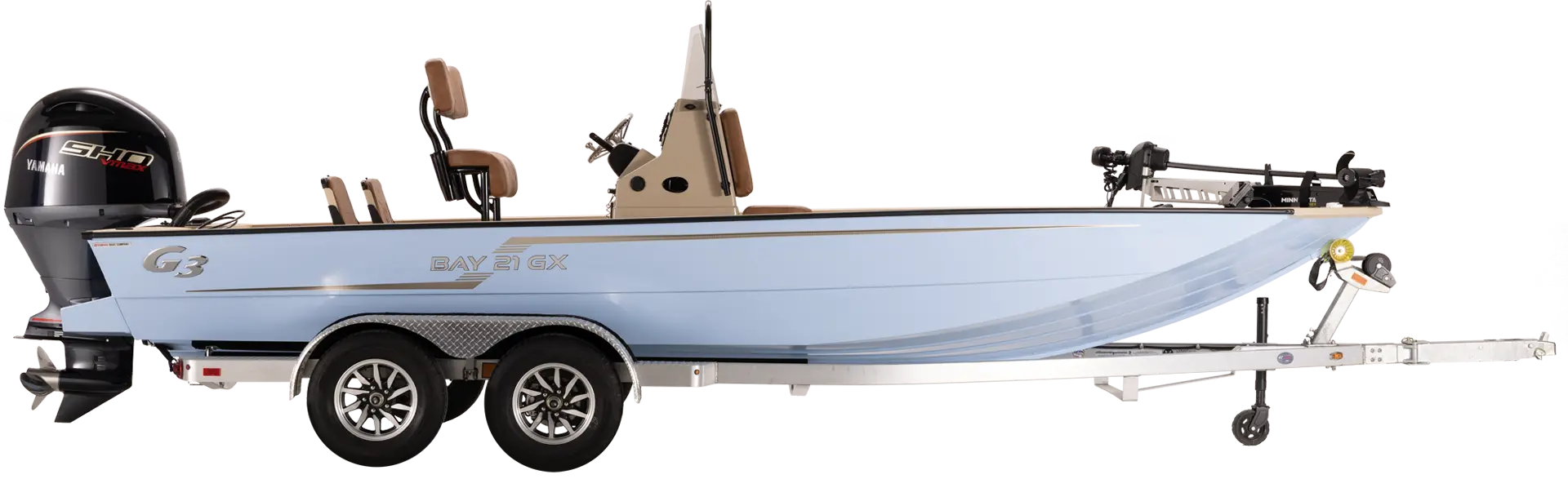
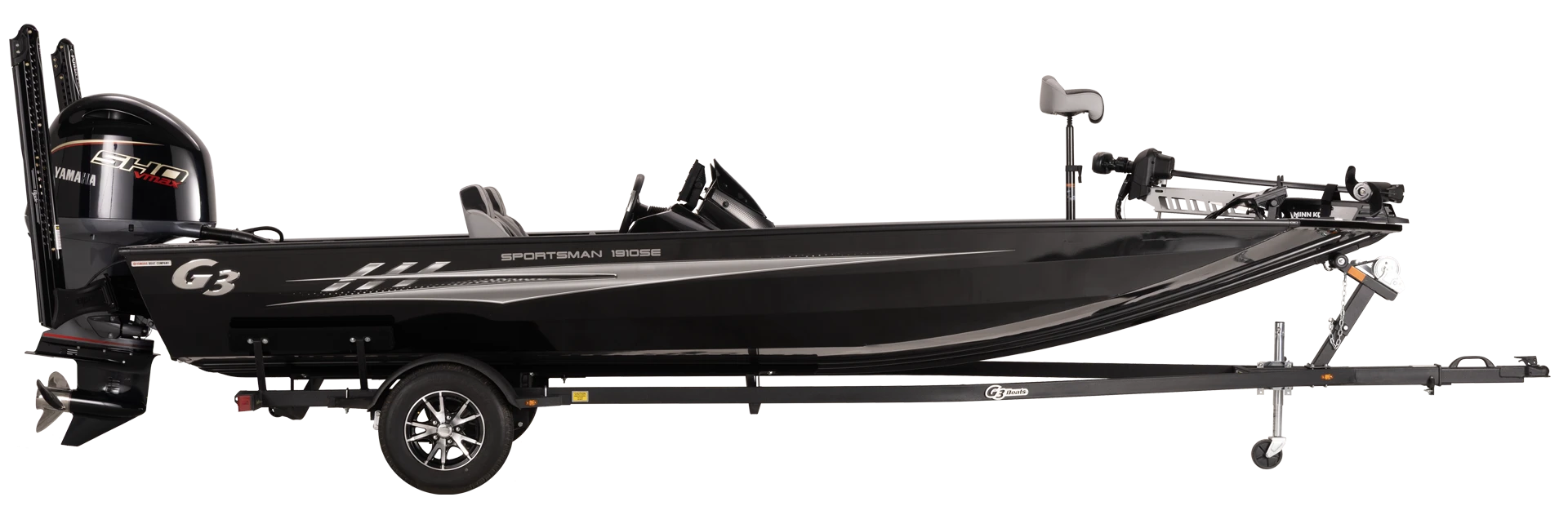
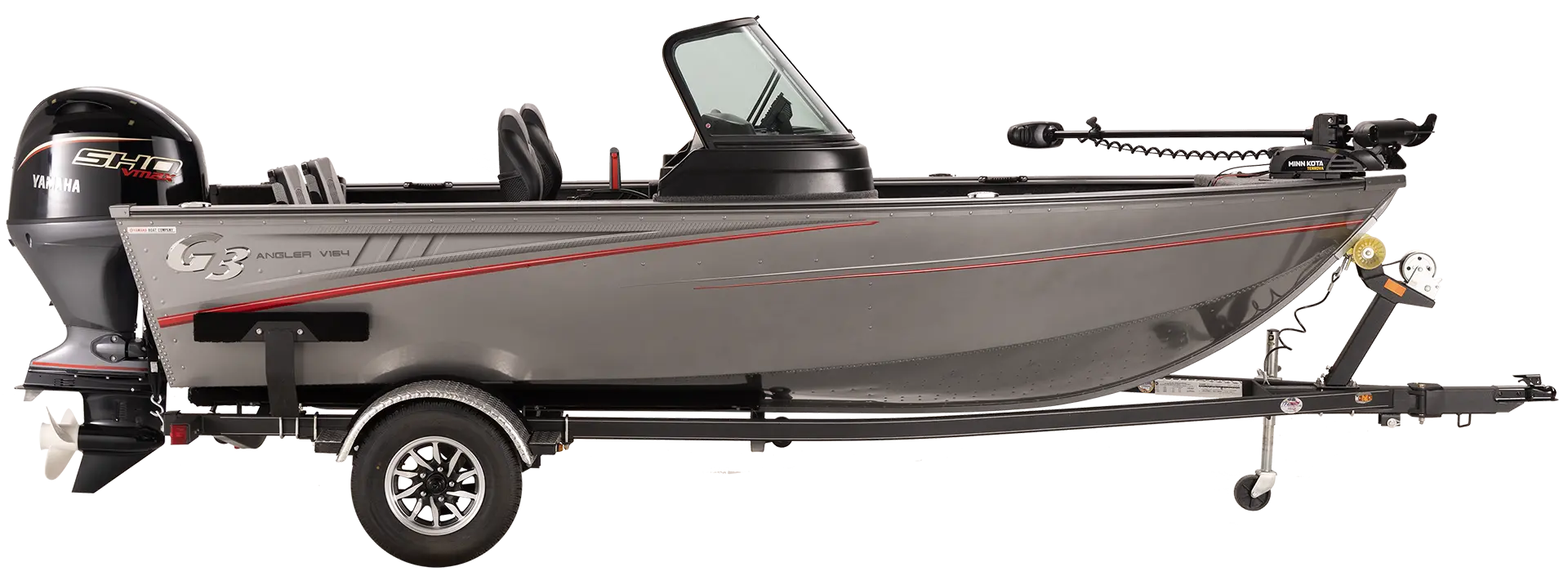
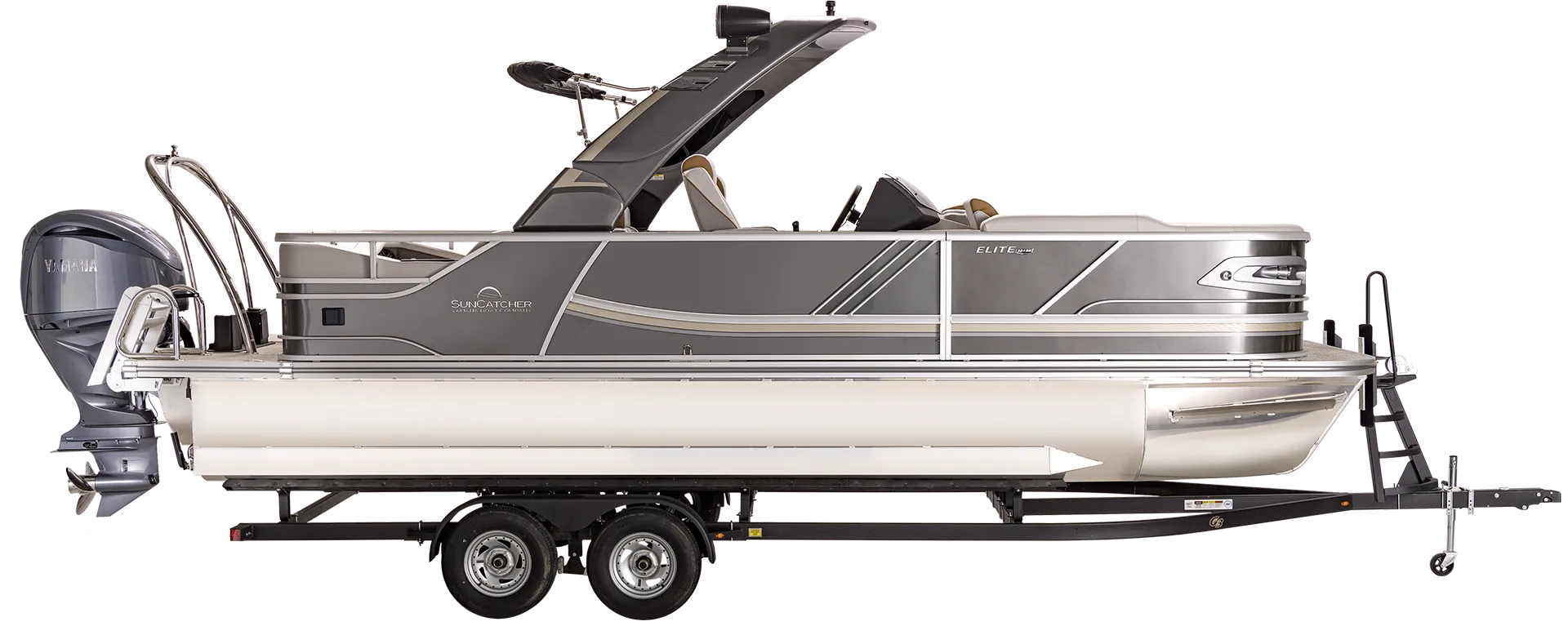
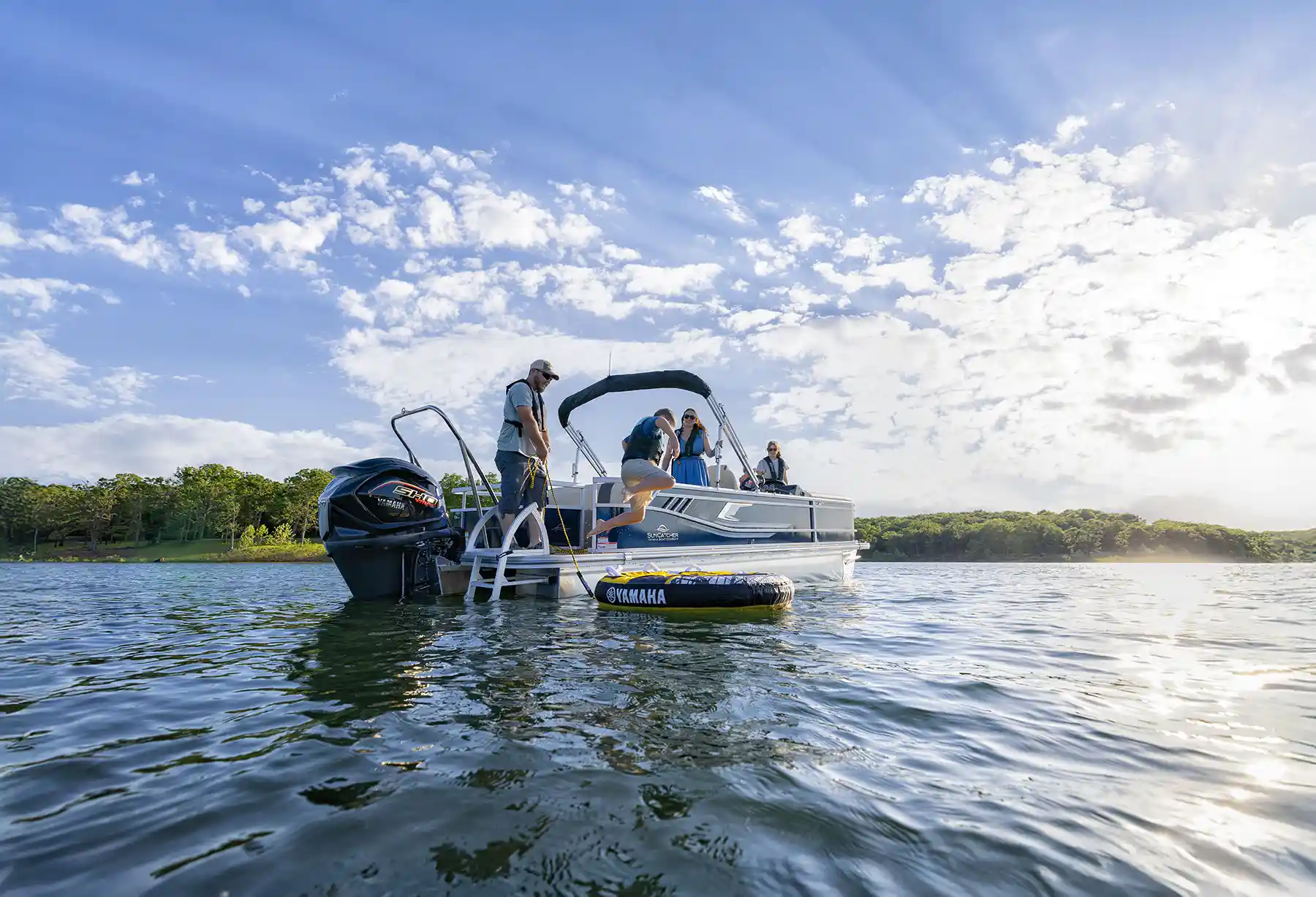
Investing in an all-aluminum fishing boat, whether a rugged jon boat, a multi-species deep-V, or a versatile pontoon, is one of the most rewarding decisions an angler or family can make. Aluminum boats are renowned across the marine industry for their exceptional durability, fuel efficiency, and high resale value. However, smart buyers know that the purchase price on the sticker is only the first step in the budgeting process.
To ensure long-term ownership confidence and avoid unexpected surprises, new buyers should understand the true cost of operating, protecting, and maintaining their investment season after season.
Here is a comprehensive breakdown of the ongoing costs of aluminum boat ownership beyond the initial purchase.
1. Routine Boat Maintenance and Servicing
One of the greatest advantages of an aluminum boat is its low-maintenance hull. Unlike fiberglass boats, all-welded aluminum hulls do not require frequent gelcoat repairs, heavy compounding, or extensive polishing. However, regular maintenance remains essential for preserving the marine engine, trailer, and internal systems.
- Outboard Motor Care: Your outboard—typically a dependable unit like a Yamaha marine engine, requires annual servicing or maintenance every 100 hours. This includes engine oil and filter changes, lower unit gear lube replacement, spark plug checks, and fuel filter replacements. Expect to budget between $250 and $600 annually for routine motor maintenance depending on whether you DIY or use a certified dealer.
- Winterization: If you live in a region with freezing winter temperatures, winterization is non-negotiable. Fogging the engine, adding fuel stabilizer, and draining water lines/livewells protects internal components. Professional winterization typically costs $150 to $400 per season.
- Trailer Upkeep: Trailer tires, wheel bearings, lights, and brake pads require routine checks. Re-greasing wheel bearings and replacing worn trailer components averages $100 to $200 per year.
2. Insurance and Registration
Protecting your asset and staying legal on the water requires ongoing administrative and insurance fees.
+———————————————————————————–+
| Fixed Administrative & Protection Costs (Annual Averages) |
+———————————————————————————–+
| Boat & Trailer Insurance : $300 – $700 / year (Varies by boat size & location) |
| State Registration : $50 – $150 / year (Covers boat and trailer tags) |
+———————————————————————————–+
Comprehensive marine insurance covers physical hull damage, liability, theft, gear loss, and towing on the water. Because aluminum fishing boats are lightweight, durable, and highly reliable, insurance premiums are generally very affordable.
3. Aluminum Boat Storage and Off-Season Protection
Where you keep your boat when it isn’t on the water impacts both your budget and the long-term lifespan of your upholstery, electronics, and hull finish.
- Garage or Driveway Storage (Lowest Cost): If you have garage space, storage costs are essentially zero. If storing outdoors in a driveway, a high-quality, custom-fit trailering cover is an essential upfront purchase ($300 to $700) to shield against UV rays, rain, and debris.
- Outdoor Self-Storage Facilities: Renting a secure outdoor storage yard spot ranges from $50 to $150 per month.
- Covered or Climate-Controlled Units: Indoor or covered boat storage protects electronics and paint, running between $150 and $400+ per month depending on your location.
4. Fuel and On-the-Water Operating Expenses
Fuel consumption varies based on hull design, motor horsepower, load, and how far you run on any given day.
The lighter overall weight of aluminum boats gives them a distinct edge over heavier fiberglass models, providing superior fuel efficiency and hole-shot performance. Whether running across a large reservoir or cruising an inshore bay, an efficient aluminum hull combined with a modern four-stroke outboard drastically reduces overall fuel burn.
For a typical weekend boater, seasonal fuel costs (including both marine fuel for the boat and tow vehicle fuel) average $300 to $800 annually.
5. Gear, Upgrades, and Safety Equipment
Beyond the boat, motor, and trailer package, budget for essential gear to keep your boat legal and ready to fish.
+———————————–+———————————————–+
| Category | Typical Upfront / Recurring Budget |
+———————————–+———————————————–+
| Required Safety Equipment | $200 – $400 (PFDs, fire ext., flares, throw) |
| Mooring & Anchor Package | $150 – $300 (Dock lines, fenders, anchor) |
| Fishing Electronics & Upgrades | $500 – $2,500+ (Depth finders, trolling motor)|
+———————————–+———————————————–+
The Verdict: Long-Term Boat Ownership Confidence
While ongoing costs are a reality for any boat owner, choosing an aluminum boat keeps those expenses predictable and manageable. Thanks to low maintenance demands, outstanding fuel efficiency, and strong factory warranties, such as the five-year bow-to-stern coverage and limited lifetime seam warranties found on G3 models, aluminum boats offer one of the lowest total costs of ownership in the marine industry.
By factoring in maintenance, storage, insurance, and fuel from day one, you can step onto the water with full confidence, knowing your investment is fully protected season after season.