
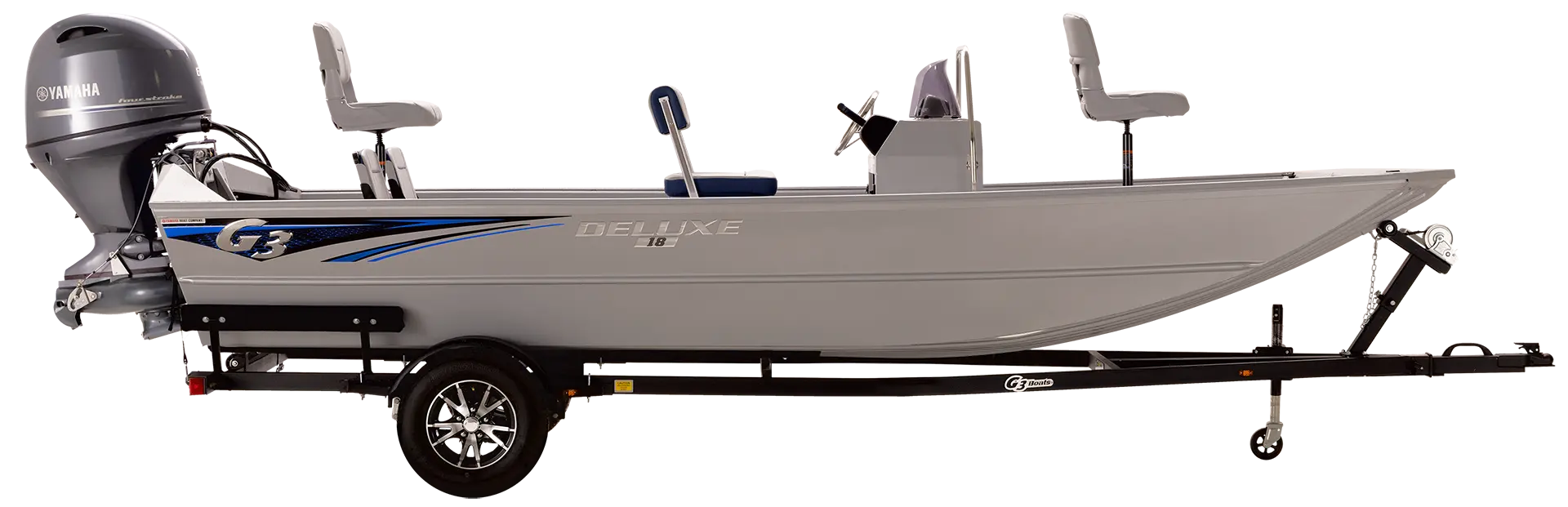
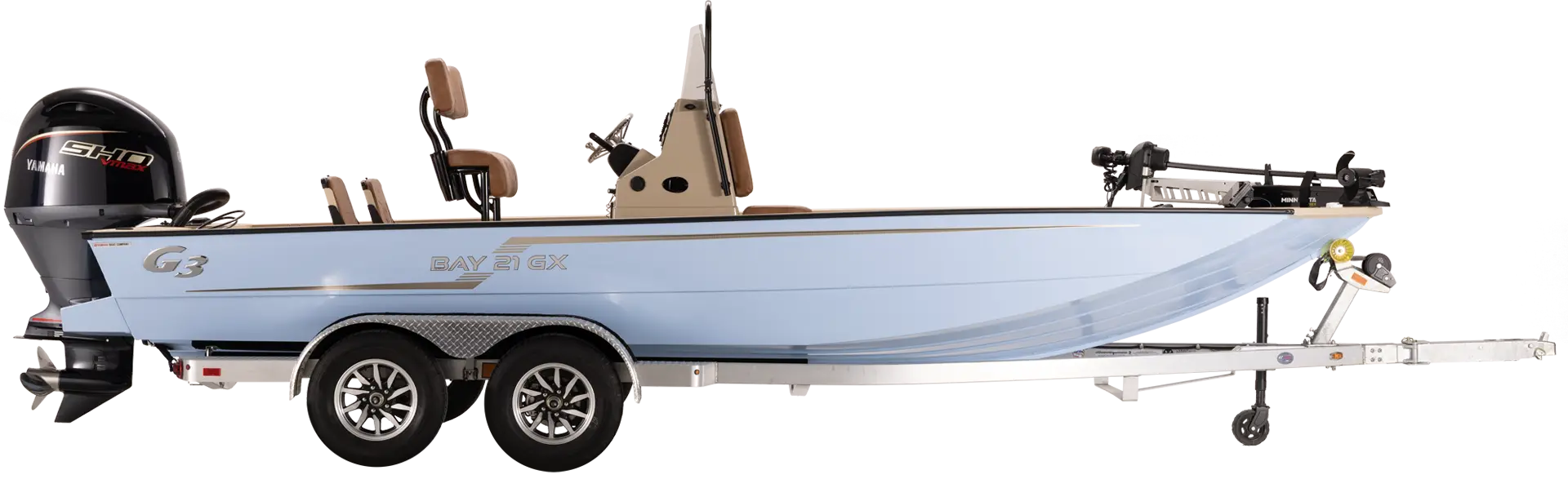
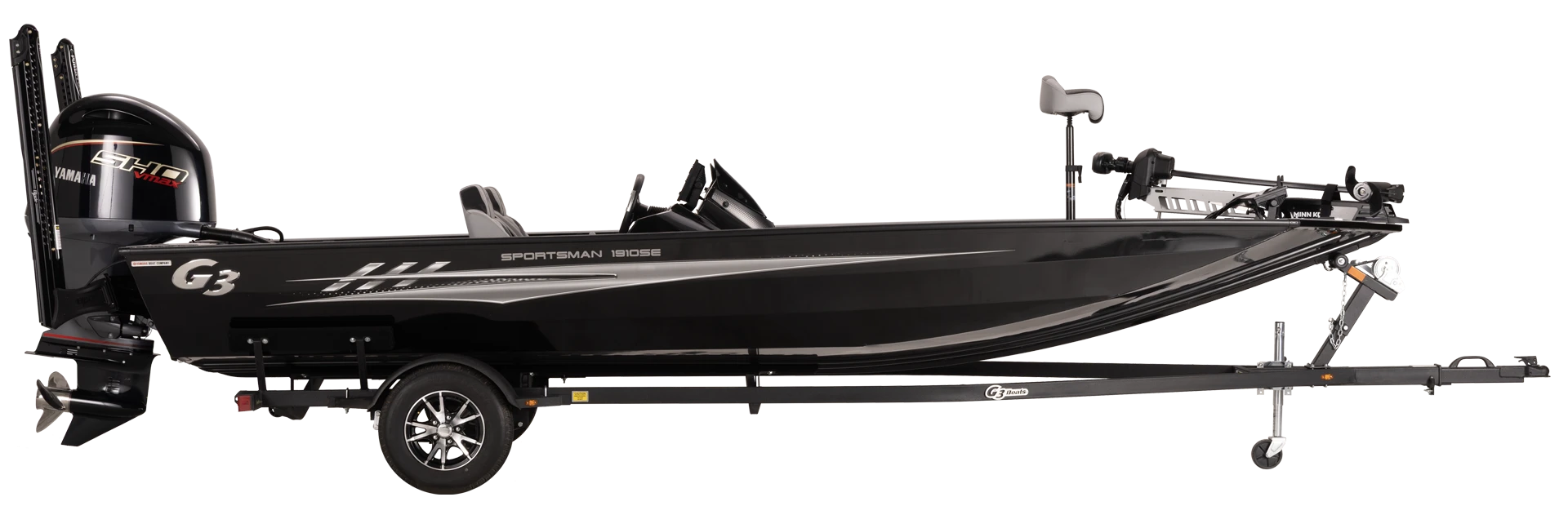
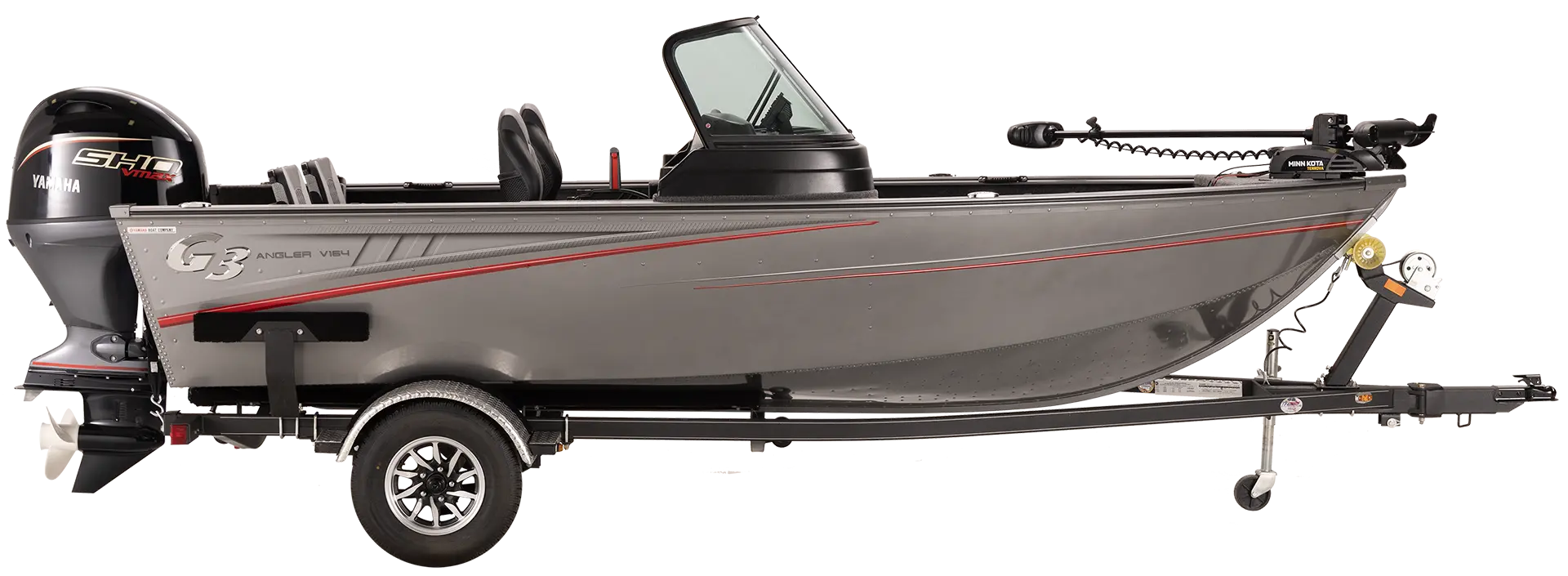

For waterfowl hunters and outdoor enthusiasts, late fall and early winter bring freezing temperatures, shifting waters, and early morning runs into shallow backwaters. Transforming an all-welded aluminum jon boat into a dependable hunting platform requires careful planning. A boat that excels during warm-weather fishing trips needs thoughtful layout adjustments to safely transport bulky gear, decoy spreads, retrievers, and hunting partners through ice, mud, and timber.
G3 Boats, built with Yamaha Marine precision, engineers the Gator Tough Jon Series with heavy-gauge, all-welded aluminum construction specifically designed to endure demanding environments and hard use.
Whether you are preparing a modified-V or a flat-bottom jon boat for opening day, here is how to set up your vessel for a safe, organized, and successful hunting season.
1. Prioritize Weight Distribution and Floatation in Skinny Water
Waterfowl gear adds up quickly. Decoy bags, shotguns, blind bags, ammunition, an extra battery, and a wet hunting dog will rapidly push your hull deeper into the water column. When navigating timber-choked sloughs and shallow marshes, maintaining a shallow draft is critical to avoid grounding out.
+———————————————————————————–+
| Payload & Balance Guidelines for Waterfowl Hunting |
+———————————————————————————–+
| Bow Placement : Decoy bags, decoy weights, and anchors |
| Mid-Ship Placement: Blind bags, ammo cases, dog platform, and passenger seating |
| Stern Placement : Heavy battery banks, fuel tank, and outboard engine |
| Golden Rule : Keep the center of gravity low and balanced side-to-side |
+———————————————————————————–+
Distribute heavy items evenly across the centerline of the boat. Placing too much weight in the stern increases your static draft and forces your motor deeper into mud or stump fields. Storing bulky, lightweight items like decoy bags forward helps balance the vessel, allowing your jon boat to plane quickly and navigate skinny water with complete confidence.
2. Install a Functional, Quick-Deploy Boat Blind
A boat blind must conceal your silhouette without interfering with shotgun movement or vessel operation.
- Scissors-Style and Flip-Flop Blinds: These frame designs are among the most versatile for aluminum jon boats. They fold down flat along the gunnels while navigating dark waterways, allowing for an unobstructed line of sight from the tiller or console helm. Once parked in the reeds or timber, they deploy upward in seconds.
- Vegetation Straps and Natural Cover: A blind frame is only the foundation. Use heavy-duty camo cordura fabric backing to block biting winter winds, then weave local marsh grass, cattails, and branches into brush straps to break up hard mechanical edges.
- Unobstructed Shooting Lanes: Ensure that overhead shooting openings provide clear, safe swings for every hunter on board. Test the height of the blind from both sitting and standing positions before taking the boat out on opening morning.
3. Build a Safe, Dedicated Platform for Your Retriever
A wet, 70-pound retriever jumping onto a slippery aluminum deck or gunnel is both a safety risk and a recipe for gear damage. Creating a dedicated station for your dog keeps everyone safe and focused on the hunt.
+——————–+—————————————————————+
| Retriever Feature | Practical Setup Recommendation |
+——————–+—————————————————————+
| Boarding Ladder | Transom-mounted folding dog ladder or ramp with slip-proof rungs|
| Dog Stand/Platform | Low-profile, rubber-matted perch positioned near the bow |
| Restraint Anchor | Short lead leash clip to keep the dog steady during boat runs |
+——————–+—————————————————————+
Place the dog platform forward on the bow deck or tuck it inside the front bulkhead. This keeps the dog out of your primary swing zone while offering them an elevated view of falling birds. Line the platform with closed-cell foam or rubber traction matting to give their paws purchase on freezing mornings and insulate them from cold aluminum metal.
4. Rigging Navigation and Task Lighting for Predawn Runs
Navigating backwaters before legal shooting light requires dependable, purpose-built illumination.
- Bow-Mounted LED Light Bars: Install a rugged, low-profile LED light bar on the front deck or bow eye to illuminate timber, stumps, and navigation markers. Opt for a flood/spot combo beam to cover both wide shorelines and long-distance channels.
- Interior Courtesy Lighting: Bright white light ruins night vision and spooks approaching waterfowl. Wire dimmable green or red interior LED strip lights beneath the gunnels. This provides enough visibility to untangle decoys, organize shells, and step safely without broadcasting your position across the marsh.
- Independent Switches: Wire your light bar and courtesy lights to a water-resistant marine switch panel with marine-grade heat-shrink connectors to ensure corrosion resistance in damp conditions.
5. Deck Protection and Sound Dampening
Metal hull noise travels quickly through water. Shifting decoy anchors, dropping a metal thermos, or bumping a shotgun against a bare aluminum rib can flare birds working your spread hundreds of yards away.
- Marine Traction Matting: Applying textured EVA foam or heavy-duty hydro-turf across the floor and bow decks serves a dual purpose. It dampens sharp acoustic vibrations and provides vital slip resistance when boots are caked in mud, sleet, or ice.
- Gunnel Padding: Foam or cordura wraps along the gunnels protect your gun barrels from metal-on-metal scratches and prevent clatter when setting shotguns into rests.
Summary Checklist for Season-Ready Confidence
Before heading out to the ramp on opening morning, run through this practical pre-season checklist:
[ ] Test Yamaha outboard fuel lines, fuel filter, and winter-grade lubricants
[ ] Inspect trailer bearings, winch strap, and submersible LED trailer lights
[ ] Check all USCG-required safety equipment: PFDs, sound signals, and fire extinguisher
[ ] Secure decoy bags with ratchet straps or bungee nets to prevent deck shifting
[ ] Confirm bilge pump and aerator switches are fully operational
Setting up your jon boat specifically for hunting season protects your equipment, keeps your crew safe in cold water, and gives you the confidence to access remote, productive backwaters season after season.