
For anglers who target redfish on tidal flats, bass in timber-filled backwaters, or crappie in skinny river bends, getting into shallow water is where the best action happens. However, navigating these environments requires an understanding of your vessel’s draft.
A boat’s draft is the minimum depth of water needed for the hull to float freely without touching the bottom. Miscalculating this distance can lead to stuck hulls, damaged props, and ruined fishing trips. Understanding how draft works ,and how hull design, weight distribution, and motor configuration impact it gives you the confidence to explore skinny water safely.
Why Boat Draft Matters for Shallow-Water Access
Draft dictates your boundaries on the water. A boat with a shallow draft allows you to reach hidden backwaters and flats that deep-draft vessels simply cannot access.
- Access to Unpressured Fish: Shallow flats and skinny river stretches often harbor less-pressured fish, but reaching them requires a boat designed to float in inches of water.
- Protecting the Environment and Hull: Running aground in shallow areas damages submerged vegetation, flats, and your hull’s bottom. Knowing your draft keeps your boat safe from hidden stumps, rocks, and mud bars.
- Navigating Tidal Changes: In coastal and tidal environments, a falling tide can trap a deep-draft vessel on a mud flat for hours. A shallow-draft boat provides the margin of safety needed to fish changing tides without getting stranded.
Static Draft vs. Running Draft
To navigate skinny water effectively, anglers must distinguish between static draft and running draft.
While a boat on plane (running draft) may rise significantly out of the water, you still need enough static depth to float when you drop the trolling motor or stop to fish. Additionally, bringing a boat onto plane from a dead stop (known as the “hole shot”) requires more water depth than running at full speed.
How Hull Design Impacts Draft
Hull design is the single biggest factor in determining how shallow a boat can float.
Flat-Bottom Hulls
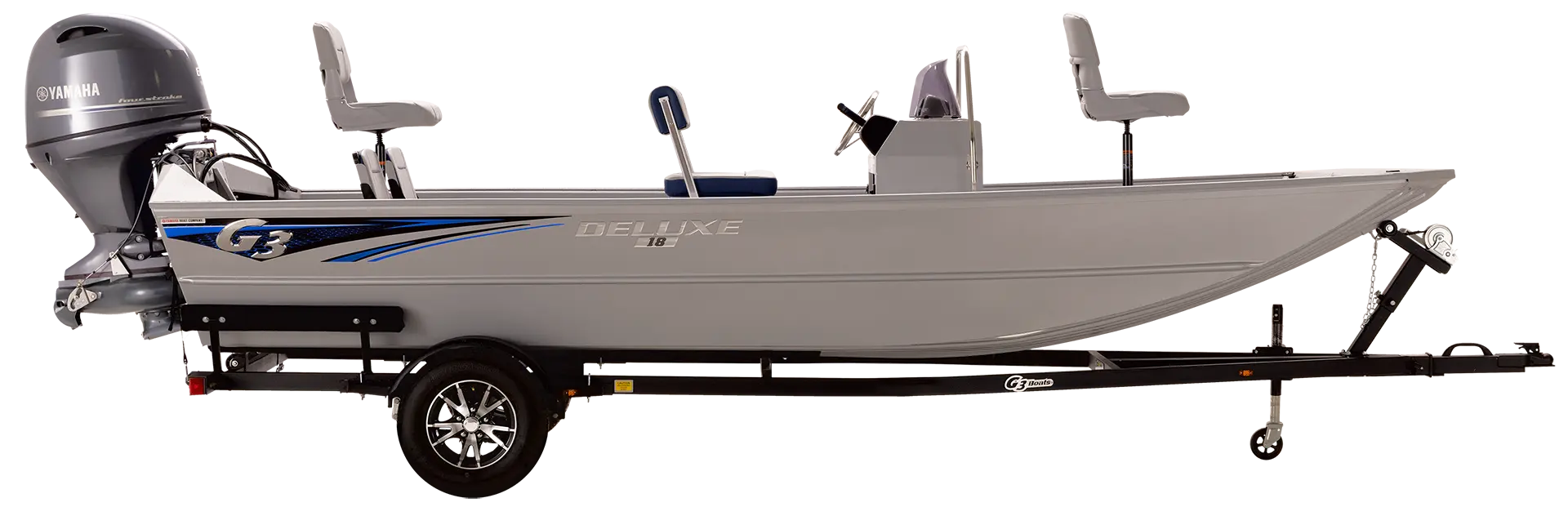
Flat-bottom designs, like classic jon boats, distribute weight over a wide surface area, allowing the hull to float in extremely shallow water. They are ideal for shallow river bends, timber-filled reservoirs, and backwaters.
Modified-V Hulls
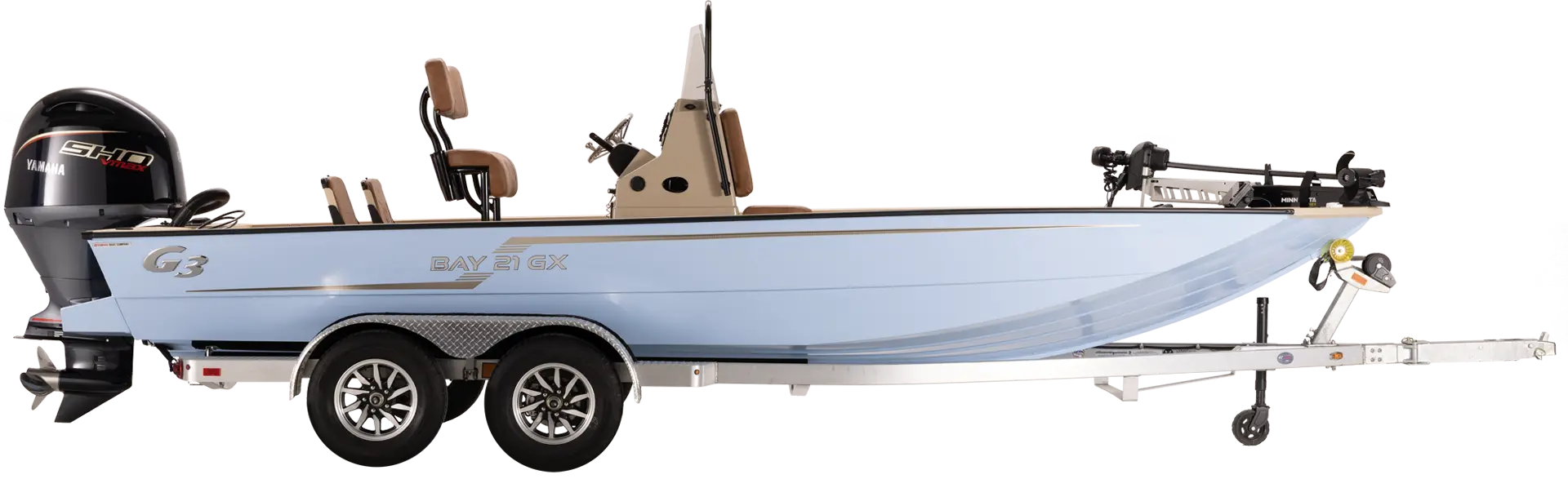
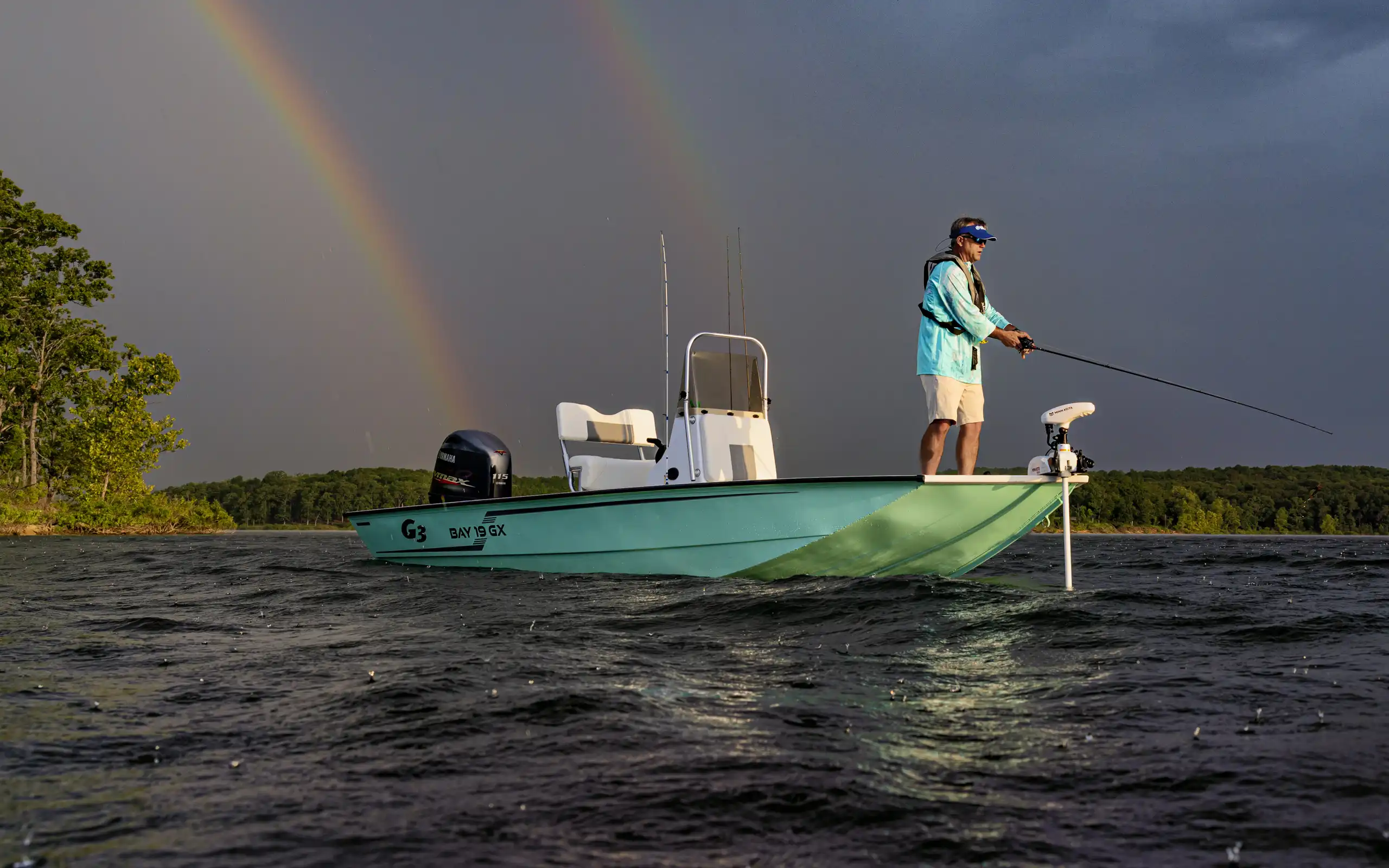
A modified-V hull balances shallow-water capability with open-water tracking. Models like the G3 Gator Tough and Bay Series utilize a modified-V entry to cut through light chop while retaining a flat transom area for minimal draft. This gives anglers the versatility to cross choppy bay waters and immediately slip into shallow tidal creeks.
All-Welded Aluminum Advantage
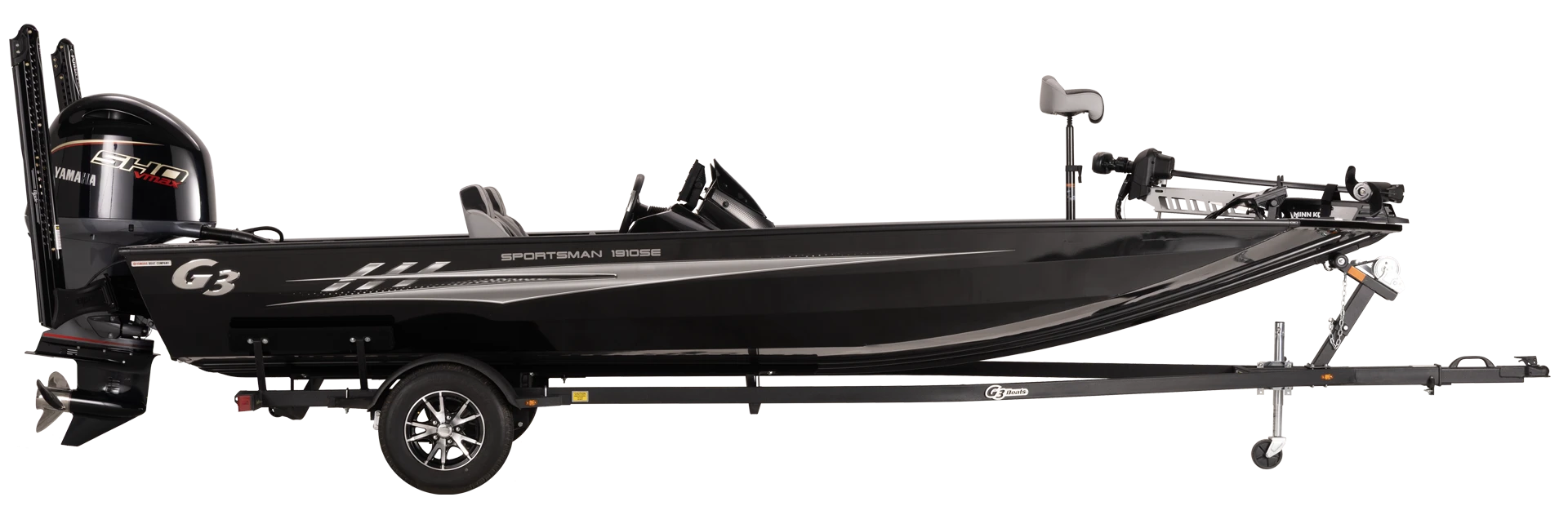
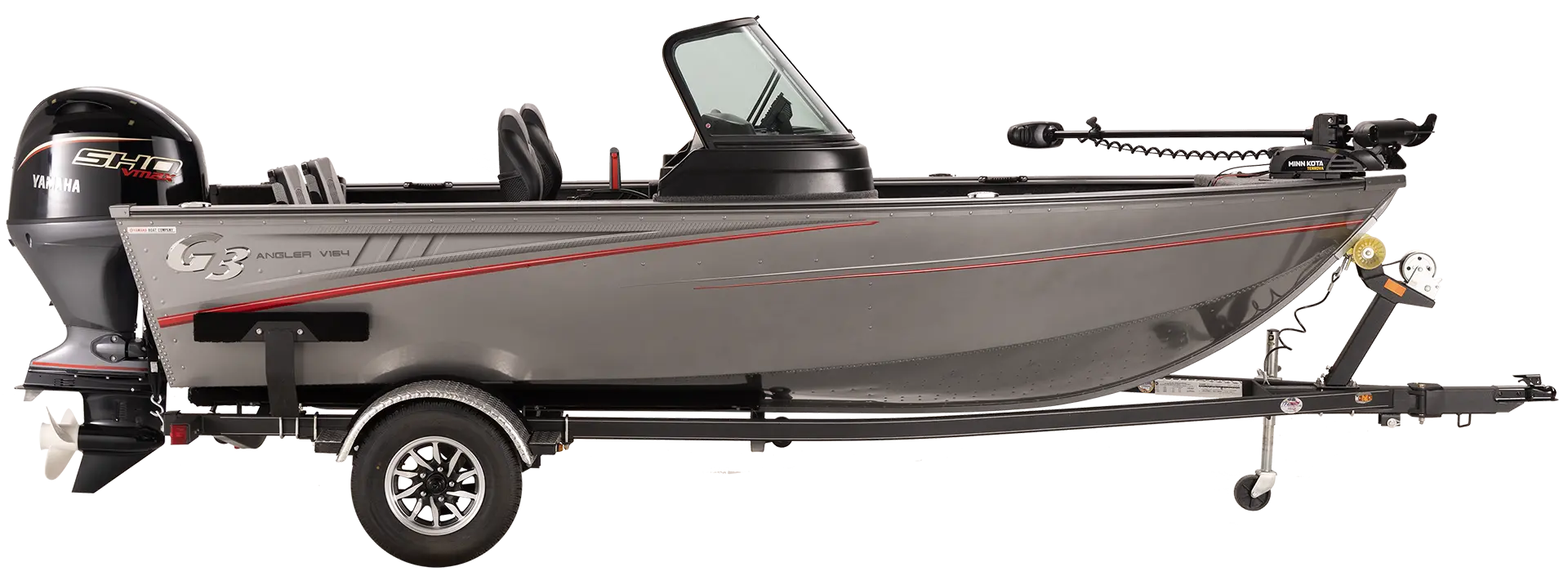
Aluminum boats inherently weigh less than equivalent fiberglass hulls. Heavy-gauge, all-welded aluminum construction provides the strength needed to handle accidental contact with logs or rocks without adding unnecessary weight that increases static draft.
The Factors That Increase Your Boat’s Draft
A boat’s factory spec sheet lists its dry, unladen draft. However, real-world fishing conditions alter that number significantly.
- Gear and Passenger Weight: Fuel (approx. 6 lbs/gal), full livewells (approx. 8.3 lbs/gal), heavy trolling motor batteries, tackle boxes, and extra passengers all push the hull deeper into the water.
- Weight Distribution: Concentrating heavy gear or multiple anglers in the stern pushes the motor lower into the water column. Distributing weight evenly from bow to stern keeps the boat floating flat and maximizes shallow-water performance.
- Outboard Motor Trim: Trimming your motor up reduces the depth of the lower unit. Utilizing a jack plate ,which lifts the outboard vertically rather than tilting it ,allows you to run in shallower water while keeping the engine’s cooling water intakes submerged.
Key Takeaways for Shallow-Water Anglers
- Know Your Real-World Numbers: Factor in fuel, livewells, gear, and crew weight when calculating how shallow your boat can safely float.
- Match the Hull to the Environment: Choose a shallow-draft modified-V or flat-bottom aluminum hull if skinny water access is a priority.
- Equip for the Flats: Consider a shallow-water anchor, jack plate, or jet drive motor package if you routinely target fish in the shallows.
When you understand draft dynamics and choose a boat engineered for shallow performance, you gain the freedom to explore backwaters with total confidence season after season.