
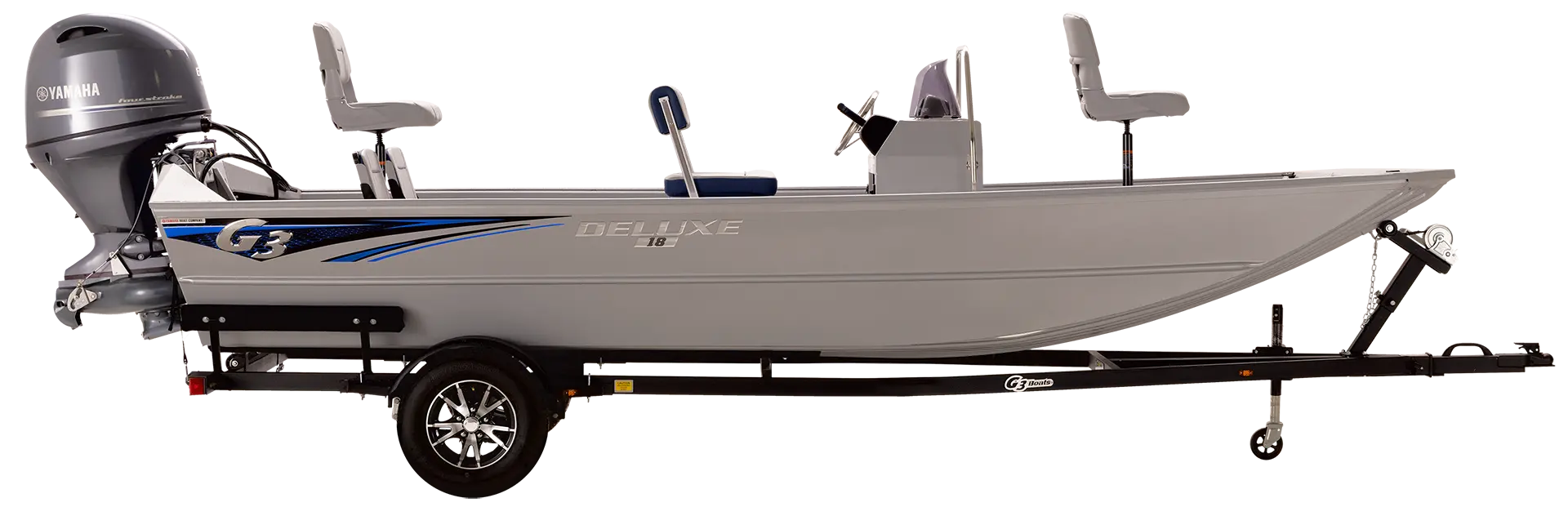
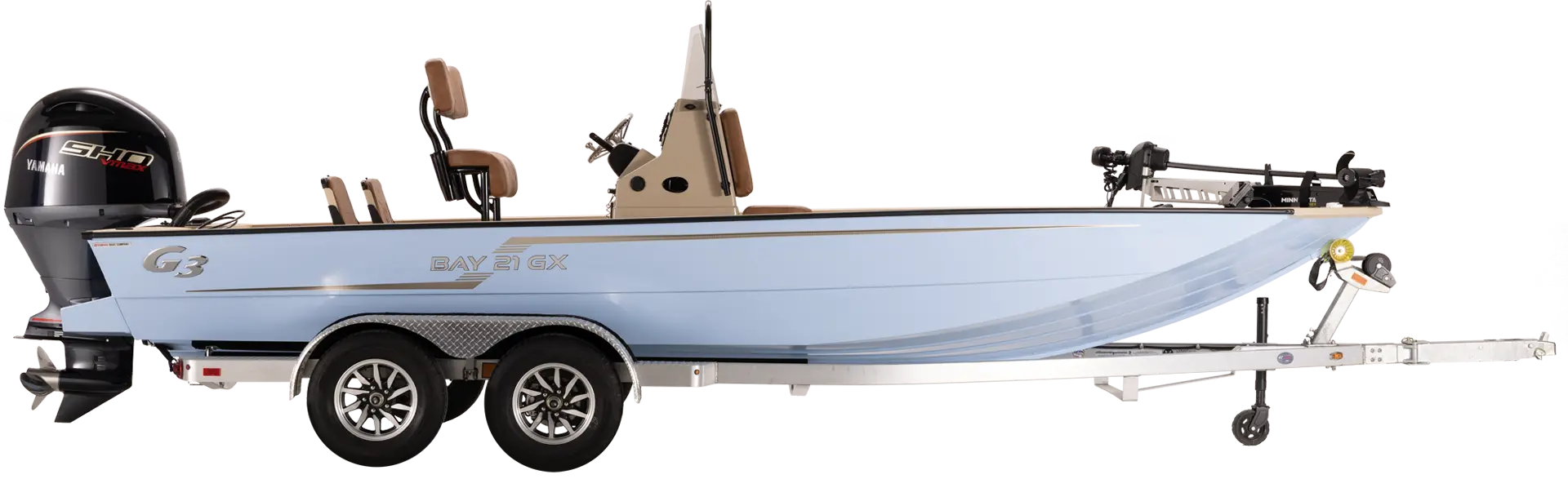
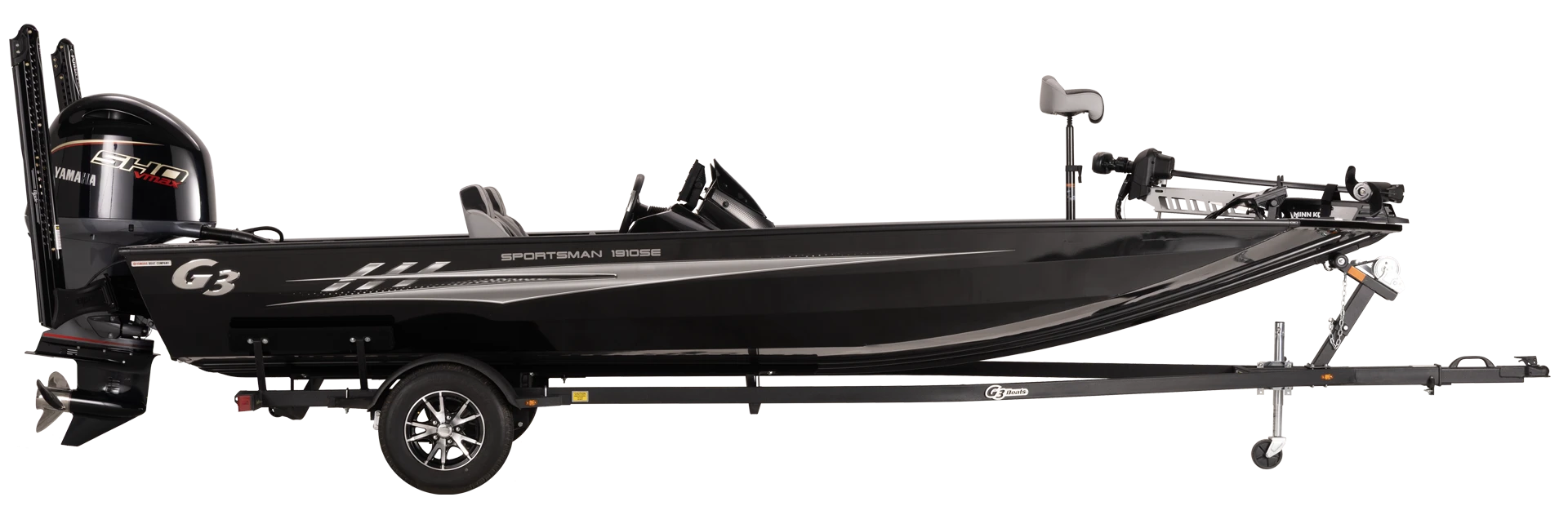
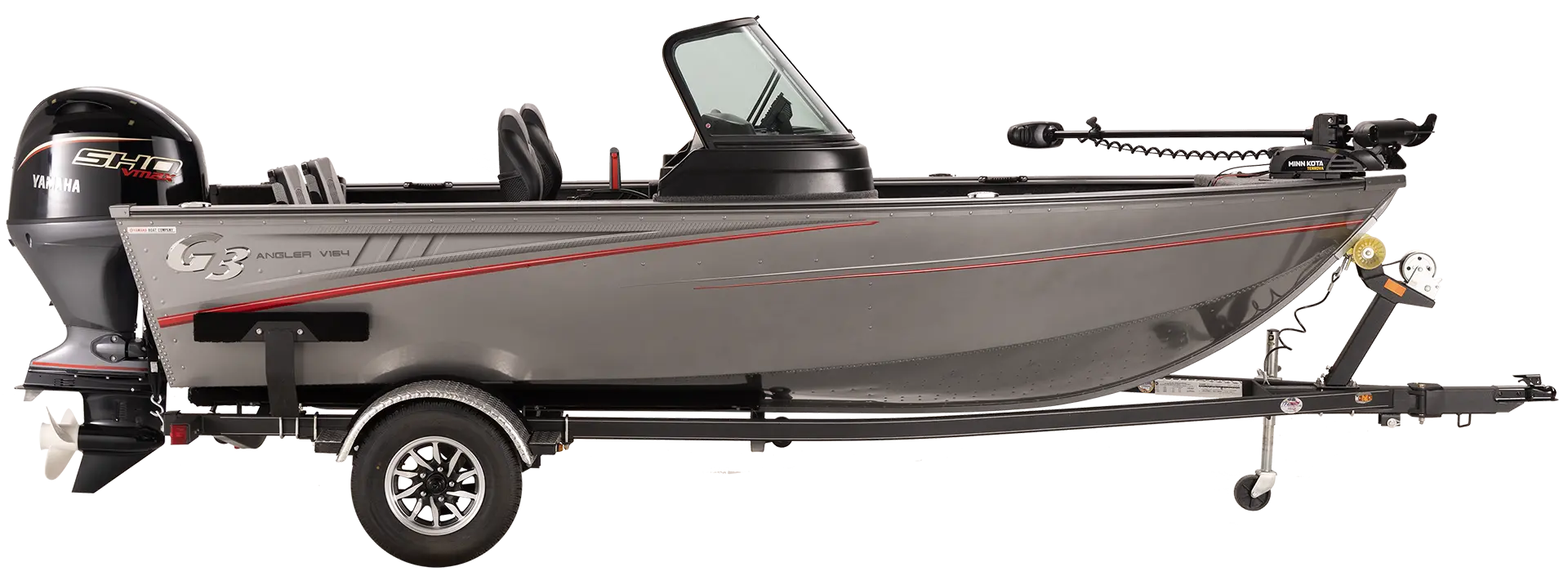
When shopping for an all-aluminum, all-welded fishing boat, choosing the right hull design is only half the battle. The configuration of your command center dictates how you move, how much gear you can securely store, and how comfortably you’ll handle changing conditions during long days on the water. Every boat should be a reliable partner that gives you confidence on the water season after season.
For serious anglers and weekend boaters alike, the choice frequently comes down to a classic layout debate: Center Console (CC) vs. Side Console (SC). G3 Boats utilizes both designs across their legendary lineup, from the rugged, shallow-water Gator Tough Bay series to the tournament-minded Sportsman models. To determine which configuration matches your real-world boating needs, let’s look at how each layout impacts your fishability and comfort.
| Feature Comparison | Center Console (CC) | Side Console (SC) |
|---|---|---|
| Primary Fishing Style | Inshore, Bay, Big Rivers, Catfish | Bass, Crappie, Multi-Species |
| 360-Degree Fishability | Excellent (Full walk-around) | Restricted near the console |
| Deck Space | Maximizes floor perimeter space | Maximizes massive bow/stern decks |
| Driving Position | Standing (Elevated visibility) | Seated (Windshield protection) |
The Center Console: Ultimate 360-Degree Mobility
A center console positions the helm directly in the middle of the beam. This layout is the gold standard for aluminum bay boats, coastal environments, and big-water river systems where anglers face hard-charging, big fish.
The Practical Advantages of a Center Console
- Unobstructed Walk-Around Access: The defining benefit of a CC is 360-degree fishability. You can hook into a massive catfish, striped bass, or inshore redfish and fight it completely around the perimeter of the boat without hitting a structural barrier or windshield.
- Stand-Up Driving Position: Center consoles are designed for standing up while running. This gives the captain an elevated line of sight to spot shallow-water hazards, logs, or schooling fish, while allowing your legs to act as natural shock absorbers in heavy chop.
- Balanced Weight Distribution: Positioning the driver dead-center allows the boat to track straight and balance perfectly side-to-side, optimizing Yamaha-powered performance and efficiency even when running solo.
The Trade-offs to Consider
Because the console sits in the middle of the floor, it splits the interior layout. You sacrifice the massive, continuous casting decks found on dedicated freshwater models to gain that perimeter walking space. Additionally, passengers sitting away from the console receive less protection from wind and water spray.
The Side Console: Maximizing Deck Space and Comfort
A side console pushes the helm completely to the starboard (right) side of the hull. This configuration is highly favored for traditional aluminum bass boats, panfish models, and multi-species deep-Vs.
The Practical Advantages of a Side Console
- Massive, Continuous Casting Decks: By moving the helm out of the center, a side console opens up vast, uninterrupted deck space at the bow and stern. This is ideal for multi-species fishing where you want to spread out multiple rods on deck or utilize multi-rod spider-rigging techniques for crappie.
- Seated Comfort and Protection: Side console boats prioritize a sit-down driving experience. You sit lower in the hull, tucked neatly behind a protective windshield. On freezing cold early mornings or high-speed runs down the lake, this layout shields you and your co-angler from the elements far better than a center console.
- Open Cockpit Floor Space: Pushing the console to the edge leaves a wide, open walkway through the center of the boat, making it easy to move from bow to stern while keeping gear bags and coolers out of the way.
The Trade-offs to Consider
The primary limitation of a side console is the “dead zone” it creates on the starboard side. If a fish dives underneath the hull right where the console is fixed, maneuvering your rod tip can be cumbersome. Furthermore, when fishing alone, you must be mindful of gear placement on the port side to balance the natural side-lean of the boat.
The Verdict: Match the Layout to Your Lifestyle
Every G3 boat is designed to handle real use, but matching the configuration to your specific environment ensures long-term ownership satisfaction and ultimate confidence on the water.
- Choose a G3 Center Console (like the Bay Series) if: You fish coastal waters, big rivers, or shallow flats; you prefer standing up to scan for structure; and you target hard-fighting species that require you to actively clear the entire perimeter of the boat.
- Choose a G3 Side Console (like the Sportsman or Angler V Series) if: You are primarily a tournament or recreational bass, crappie, or walleye angler; you want a comfortable, seated ride out of the wind; and you prioritize massive, flat decks for organizing rods and casting with ease.
Ready to see these layouts in person? Contact your local authorized G3 Boats dealer to explore available models, compare performance packages, and choose the boat that is ready for the way you fish.